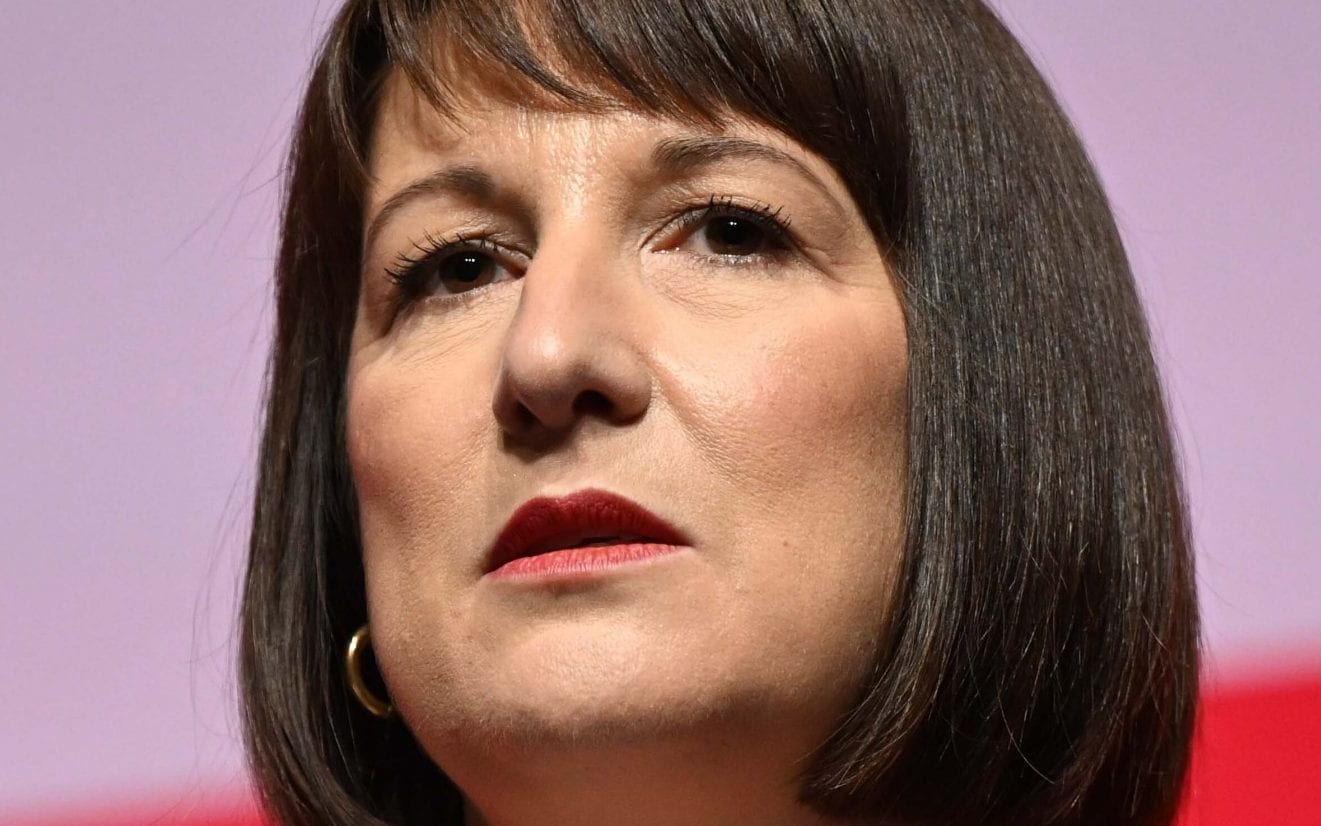
Britain’s fiscal reckoning has arrived. The £20bn “black hole” has, according to one new estimate, doubled in size under Rachel Reeves’s dubious stewardship. Most of the money we are now borrowing is going not towards paying off our debt, but the interest on that debt. Colossal off-the-book liabilities, such as public sector pensions, have been hidden from voters by successive governments. They are now falling due.
For years, the country has behaved like a household hooked on payday loans. Now, the bills have come through the letterbox and we’ve no cash left to cover them. Even the National Institute of Economic and Social Research, traditionally Left-leaning, is warning that if the Chancellor is to remain within her fiscal rules, she must raise taxes or cut spending by £51bn. Not even the Office for Budget Responsibility can maintain the fiction that the current trajectory is sustainable. Reductions in spending are out of the question, as the ludicrous welfare row exposed.
What many may not realise is that around 75 per cent of government expenditure is mandated – benefits, pensions, for instance – and cannot be avoided in the short-run. Only a quarter is discretionary – areas such as transport, or defence. This means that major spending cuts would require primary legislation, which feckless Labour backbenchers will never swallow. It also means that further tax rises, which Reeves in January insisted would not be necessary, are inevitable. Indeed, Keir Starmer has refused to rule them out in the autumn Budget. No wonder asset managers are telling clients to prepare for “very real, very targeted moves on people with portfolios, pensions and property”. Be afraid, be very afraid.
How did we get into this mess? Not since 2001 has a chancellor presented a balanced Budget. Despite lip-service to fiscal probity, the desire to splurge has consistently outweighed the need for restraint. Lord, give me continence, but not yet. Politicians, of whatever stripe, have engaged in a collective delusion: that the Treasury is so awash with cash it is scrambling to find things to spend it on. Pay rises across the public sector? Green subsidies? A pointless railway to Birmingham? Bring it on.
But the overall state of the public finances tells a grim story. In 2024-25, the state is projected to spend £1.2tn. Some £450bn of this will go on welfare, health and pensions – more than the entire take from income tax, National Insurance and VAT combined. The UK entered this century with debt at around 30 per cent of GDP; it’s now pushing 100 per cent. The tax burden is at a post-War high, set to be around 37.5 per cent of GDP for the rest of this Parliament, yet core public services are crumbling and the crowd yells out for more.
Polling suggests the public are closer to grasping our fiscal reality than politicians, with economic optimism now half what it was in July 2024. But even growing pessimism isn’t enough to slake their thirst for more spending. Some 9.1 million people of working age are currently economically inactive. Over half of households are taking more from the state than they are putting in. As the number of net contributors shrinks, who, exactly, do people believe is footing the bill?
More than two centuries ago, Adam Smith wrote: “Little else is requisite to carry a state to the highest degree of opulence... but peace, easy taxes and a tolerable administration of justice.” Peace is uncertain, the administration of our increasingly wonky justice has time lags measured in years, and taxes increasingly drag us down. Council tax on our homes. The licence fee. VAT on virtually every product we consume. Vehicle Excise Duty. Congestion charges, tolls, Ulez. The sugar tax. A Digital Services tax on any online orders or subscriptions. Income tax. National Insurance Contributions raised for employers, but which in the end the employee will pay. It’s enough to drive us to – massively taxed, of course – drink.
And the more convoluted the system becomes, the easier it is for governments to mask the scale of the extraction and the harder it is to scrutinise – or object. Taxes should be visible and just. Currently, they are neither. This is not by accident, but design. Worse still, the public has been fed a series of monstrous lies about tax-and-spend. That it is not only necessary for the state to plunder our earnings and assets, but moral. That squeezing the private sector to fund the public mysteriously delivers growth. That the “rich” aren’t paying their “fair share”, despite all the evidence to the contrary. That we could tax the “wealthy” without punishing the middle classes.
Of all Labour’s pledges, none has unravelled faster than the self-defeating promise to shield “working people” from tax hikes. They punished businesses, and since the start of the year, employment is down, unemployment is up, wage growth has stalled and vacancies are falling. They waged war on independent schools, and since January 50 have closed, with all the job casualties that brings. The affluent, as the Telegraph this week reports, have paid their fees in advance – a luxury poorer parents, those who strain every sinew to privately educate their children, cannot afford. The list goes on. Reeves’s inheritance tax assault on family farms has triggered the worst collapse in rural businesses since 2017. Non-doms are fleeing almost as fast as small boats are arriving, taking with them billions in tax receipts, spending and investment.
Labour said they would deliver the kind of “growth” that would haul us out of the post-lockdown economic crisis, but are giving us stagnation. Even if they renege their manifesto pledge not to hike income tax, VAT or National Insurance to stick to their fiscal rules, then what? There are major structural problems in our economy – a broken planning system, suffocating regulation – to which this Government has no answer. And, at some point, tax takes begin to destroy growth, with one study suggesting each 10 per cent rise in tax reduces the growth rate by around 1.2 per cent. We are completely boxed in. Politically, of course, breaking their tax triple lock would be a disaster. As Professor John Curtice tells me, it could prompt a tuition-fees moment – a betrayal that would be forever etched in the public’s memory.
Our overall approach to the public finances is self-evidently unsustainable. A retrenchment of state expenditure is coming at some point and the longer we wait the more painful it will be. We’ve lived in Neverland for too long. It’s time to say no, we don’t believe in fairies.
Recommended
It only took a year for Reeves to destroy Britain
Read more
Sign up to the Front Page newsletter for free: Your essential guide to the day's agenda from The Telegraph - direct to your inbox seven days a week.